
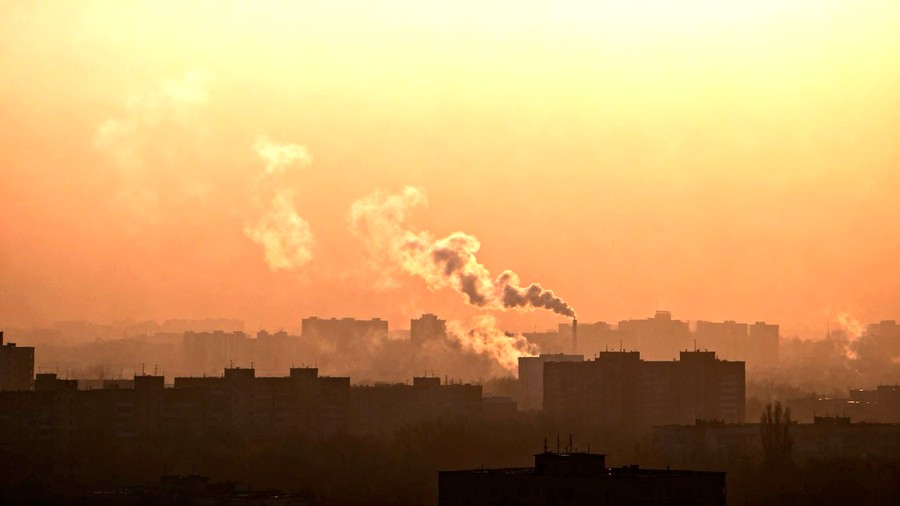
Wildfire smoke isn’t just a temporary nuisance; it can lead to lasting problems for your lungs. When smoke fills the air, it carries a mix of tiny particles and harmful gases from burning materials. These components can really irritate your airways. The inflammation caused by smoke can lead to narrowed passages, making it harder to breathe and causing that tight feeling in your chest.
Components of Wildfire Smoke and Their Harmful Effects
Wildfire smoke is a complex mixture. It includes fine particulate matter (PM2.5), carbon monoxide, nitrogen oxides, and various volatile organic compounds. These elements don’t just sit in the air; they actively interact with your respiratory system. The fine particles are particularly concerning because they can penetrate deep into the lungs. This deep invasion can trigger a significant inflammatory response, which is the body’s way of trying to fight off irritants. Over time, repeated exposure can lead to more persistent issues.
Inflammation and Airway Narrowing from Smoke Exposure
When smoke particles enter the lungs, they signal the immune system to react. This reaction causes inflammation, which is a swelling and irritation of the lung tissue and airways. This inflammation can make the airways more sensitive and prone to spasms. It also leads to the production of more mucus. The combination of swelling and excess mucus can narrow the airways, a condition known as bronchoconstriction. This narrowing is what makes breathing difficult and can lead to symptoms like wheezing and shortness of breath. For individuals with existing lung conditions, this effect can be particularly severe.
The Impact of Smoke Inhalation on Lung Function
Breathing in wildfire smoke can have a noticeable impact on how well your lungs work. Even after the smoke clears, some effects can linger. Studies have shown that exposure can lead to measurable changes in lung function, especially for those who experience prolonged or intense smoke events. This can manifest as a reduced ability to inhale deeply or exhale fully. For some, this might mean a persistent cough or increased susceptibility to other respiratory infections. Understanding these impacts is key to managing your respiratory health after a wildfire event, and it’s important to know that long-term exposure can have adverse health effects.
- Reduced lung capacity
- Increased airway reactivity
- Heightened risk of infections
Identifying Individuals at Higher Risk
Vulnerability of Children and Older Adults
Certain age groups are naturally more susceptible to the harmful effects of wildfire smoke. Young children, whose lungs are still developing, and older adults, who may have diminished lung capacity or other health issues, are at increased risk. Their respiratory systems are less resilient and can be more easily overwhelmed by smoke particles. This heightened sensitivity means they may experience more severe symptoms even with shorter or less intense exposures.
Pre-existing Respiratory and Cardiovascular Conditions
Individuals who already manage conditions like asthma, chronic obstructive pulmonary disease (COPD), or heart disease face a significantly elevated risk. Wildfire smoke can trigger acute exacerbations of these conditions, leading to severe breathing difficulties and potentially life-threatening events. It is vital for these individuals to closely monitor air quality and have a plan in place for managing their health during smoke events. For those with existing health concerns, understanding the air quality guide for particle pollution is particularly important.
Impact of Socioeconomic Factors on Exposure Risk
Socioeconomic status can play a substantial role in an individual’s vulnerability to wildfire smoke. People with lower incomes may lack access to resources like air purifiers, high-quality masks, or the ability to relocate to areas with better air quality. Those experiencing homelessness or living in substandard housing may also have fewer options for escaping smoke-filled air. Additionally, outdoor workers, often in lower-paying jobs, face prolonged exposure simply by performing their duties.
The Role of COVID-19 in Respiratory Sensitivity
The lingering effects of COVID-19 can also contribute to increased respiratory sensitivity. Individuals who have recovered from the virus, especially those who experienced severe illness or long COVID, may have compromised lung function or persistent inflammation. This can make them more prone to adverse reactions when exposed to wildfire smoke, compounding existing respiratory challenges.
Mitigating Exposure During Wildfire Events
Importance of Indoor Air Quality and Air Purifiers
When wildfire smoke fills the air, staying indoors is the most effective way to limit exposure. It is important to seal your home as much as possible. This means closing windows and doors and limiting how often they are opened. If your home’s heating, ventilation, and air conditioning (HVAC) system does not have high-efficiency filters, like MERV-13 or better, consider using portable air cleaners. These devices can help remove fine particles from the air inside your living space. For those without central air, or in areas not covered by it, portable units become even more vital. Maintaining good indoor air quality is a primary defense against harmful smoke particles.
Protective Measures for Outdoor Activities
If venturing outdoors is unavoidable during periods of poor air quality, taking precautions is necessary. Wearing a respirator mask, such as an N95 or P100, is recommended. It is important that the mask fits snugly to prevent air from leaking in around the edges. If these specific types are unavailable or do not fit well, other options like KN95 or KF94 respirators can also offer protection. Avoid strenuous activities outdoors, as increased breathing rates can draw more smoke into the lungs. Consider postponing outdoor exercise or work until air quality improves. For those who cannot remain indoors, seeking out temporary shelters with clean indoor air can be a viable alternative. Protecting your home from the fire itself is also a key step in reducing smoke exposure; measures like home hardening can help.
Guidance on Air Quality Index and Alerts
Understanding the Air Quality Index (AQI) is a practical way to gauge the level of air pollution and make informed decisions about your activities. Websites and apps provide real-time AQI readings for your local area. Signing up for air quality alerts can provide timely notifications about worsening conditions. These alerts allow individuals, especially those with pre-existing respiratory or cardiovascular conditions, to take proactive steps. When the AQI reaches unhealthy levels, it is advisable to limit time spent outdoors and reduce physical exertion. Following your doctor’s advice regarding medications and management plans is also important during these times.
Seeking Safe Indoor Environments
When outdoor air quality is poor due to wildfire smoke, finding a safe indoor environment is paramount. This often means staying in a well-sealed building with filtered air. If your home’s air filtration is insufficient, or if you cannot remain home, consider relocating temporarily. Public buildings like libraries or community centers may offer cleaner air, especially if they have robust HVAC systems with good filters. For individuals who are unable to access or afford air filtration devices, seeking out these public spaces can provide a much-needed refuge. Planning ahead and knowing where these safe havens are located can make a significant difference during smoke events.
Therapeutic Strategies for Smoke Inhalation Injury
When someone has inhaled smoke, the main goal of treatment is to help their lungs work better and to prevent further damage. This often involves a few key areas.
Mechanical Ventilation and Airway Management
For individuals experiencing severe breathing difficulties, mechanical ventilation might be necessary. This means using a machine to help them breathe. The settings on these machines are carefully adjusted to provide enough support without causing additional harm to the lungs, like excessive pressure. It’s a delicate balance to ensure the lungs get the oxygen they need while minimizing risks.
Bronchial Hygiene and Secretion Clearance
Smoke can really mess with the airways, making it hard for the lungs to clear out mucus. This can lead to blockages and increase the chance of infection. So, a big part of treatment is helping to keep the airways clear. This can involve techniques to help loosen and remove secretions, making it easier for the patient to breathe and reducing the risk of complications.
Infection Surveillance and Prevention
After smoke inhalation, the lungs can be more vulnerable to infections. Doctors will keep a close eye out for any signs of infection. While antibiotics might be considered in some cases, they aren’t typically given routinely to prevent the development of resistant bacteria. The focus is on watching for infections and treating them if they occur.
Nebulized Treatments for Lung Injury
Giving medications directly to the lungs through a nebulizer is a common approach. This allows treatments to reach the damaged areas more effectively. Medications used can include:
- Bronchodilators: To help open up narrowed airways.
- Antioxidants: To combat the damage caused by harmful substances in the smoke.
- Corticosteroids: To reduce inflammation in the lungs.
- Anticoagulants: In some cases, to address issues with blood clotting that can arise from smoke exposure.
The consistent delivery of these medications to the affected lung tissue is key to their effectiveness. Research is ongoing to find the best combinations and methods for delivering these treatments.
Longitudinal Effects on Lung Development and Health
Impaired Lung Development in Children
Wildfire smoke exposure, especially during critical developmental periods, can interfere with how a child’s lungs grow. The fine particles and chemicals in smoke can cause inflammation and damage to the delicate developing tissues. This can lead to lungs that don’t reach their full potential size or function. This early-life exposure can set the stage for breathing problems later in life.
Chronic Inflammation and Long-Term Damage
Even after the smoke clears, the effects can linger. The inflammation triggered by smoke inhalation doesn’t always go away quickly. Over time, this persistent inflammation can lead to lasting changes in the airways and lung tissue. Think of it like a constant irritation that slowly wears things down. This can manifest as:
- Increased sensitivity to other irritants.
- Changes in lung structure.
- A reduced ability of the lungs to repair themselves.
Increased Susceptibility to Future Respiratory Illnesses
Individuals who have experienced significant smoke inhalation may find their lungs are more vulnerable to future health issues. The damage sustained can make them more prone to infections, like pneumonia or bronchitis. Furthermore, pre-existing conditions, or those developed due to smoke exposure, can be aggravated by subsequent exposures to pollutants or even common respiratory viruses. This means that a past wildfire event could have a ripple effect on a person’s respiratory health for years to come.
Recognizing Worsening Symptoms and Seeking Medical Care
Distinguishing Smoke Symptoms from Other Illnesses
It can be tricky to tell if your symptoms are from wildfire smoke or something else, like a cold, the flu, or even COVID-19. Things like a dry cough, scratchy throat, or feeling short of breath can show up with smoke exposure, but they’re also common with other illnesses. However, if you’re experiencing fever, chills, body aches, or diarrhea, those are usually signs of an infection, not smoke. Pay close attention to what your body is telling you.
Timing of Symptom Onset After Exposure
Sometimes, the effects of smoke inhalation aren’t immediate. While some people might feel unwell right away, others may notice their symptoms getting worse a few days after being exposed to smoky air. This delay is due to inflammation building up in the airways. It’s important to remember this potential lag when assessing your health after a wildfire event.
When to Consult Healthcare Professionals
If you have existing lung or heart conditions, it’s wise to be extra cautious. Don’t hesitate to reach out to your doctor if you’re concerned about your symptoms, especially if they are related to breathing. A good rule of thumb is: if you feel scared or unsure about your condition, it’s always best to seek medical advice promptly. Your healthcare provider can offer guidance tailored to your specific health situation.
Emergency Care for Acute Respiratory Distress
In cases of severe breathing difficulties or chest pain, immediate medical attention is necessary. Do not delay in calling emergency services or going to the nearest emergency room. These symptoms can indicate a serious respiratory issue that requires urgent treatment. Prompt action can make a significant difference in outcomes.
