
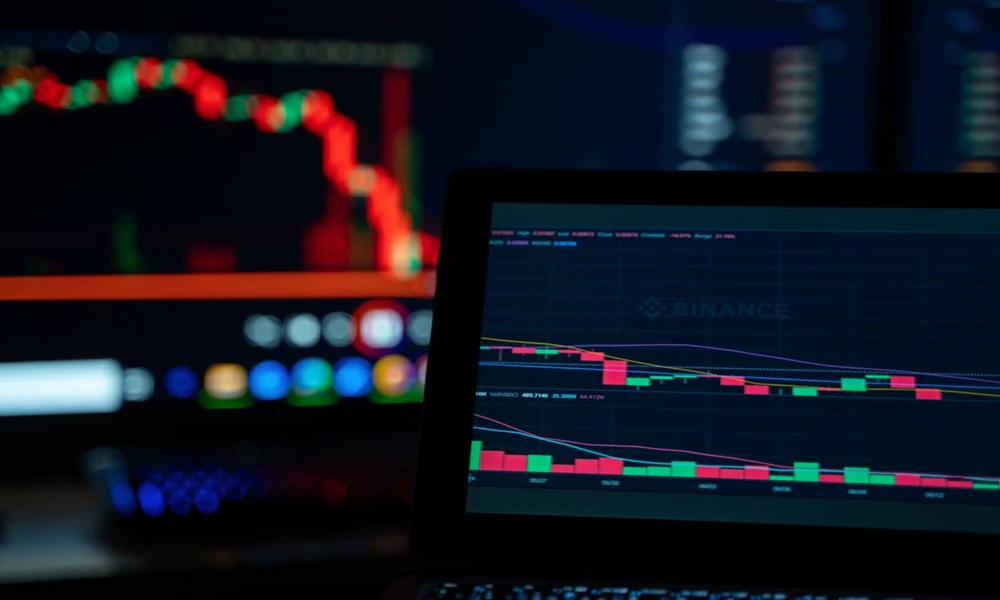
Cryptocurrency markets operate across global time zones, creating monitoring challenges that differ from those found in markets with defined trading hours. Activity can continue through weekends, holidays, and overnight periods, leaving surveillance teams to evaluate transactions while staffing levels, trading volumes, and available information change.
Effective 24-hour market surveillance requires more than continuous access to transaction records. It depends on understanding normal activity patterns, recognizing unusual behavior, and establishing escalation procedures that remain effective when market conditions change. A transaction that appears suspicious during a quiet overnight session might reflect a legitimate shift in regional participation. Conversely, activity that appears routine during busy periods could conceal coordinated behavior.
For teams examining digital assets, these distinctions matter. A reliable surveillance process must account for changing liquidity, geographic participation, and differences between individual trading patterns and broader market activity. Understanding these variables helps organizations investigate anomalies without treating every unusual transaction as evidence of misconduct.
Why Overnight Surveillance Requires Different Baselines
Surveillance systems frequently compare observed activity against historical patterns. These comparisons can identify sudden changes in transaction frequency, order activity, or trading behavior. However, a single baseline may produce misleading results when market participation varies considerably throughout the day.
During quieter sessions, relatively small transactions can create noticeable changes in observed activity. A monitoring system calibrated to peak trading periods might overlook these changes. Conversely, a system calibrated to quiet conditions could generate excessive alerts when activity increases during a major regional trading session.
This is where risk management becomes an operational priority. Surveillance teams need baselines that reflect different hours, weekdays, weekends, and relevant market conditions.
Consider a hypothetical cryptocurrency market where transaction activity typically declines overnight. A sudden increase in coordinated account activity might justify closer examination. Yet the same increase could follow a public protocol announcement or a shift in regional participation.
The appropriate response is to investigate the surrounding evidence, including transaction timing, account relationships, and available public information. An alert should initiate an assessment rather than automatically establish wrongdoing.
Thin Sessions and Fragmented Liquidity
Trading activity is distributed across multiple venues, blockchain networks, and geographic regions. Participation can differ significantly between these environments, particularly during overnight periods.
Thinner sessions may create greater sensitivity to individual transactions. When fewer participants are active, a relatively small number of orders can account for a larger share of observed activity. Price movements and transaction patterns may therefore appear unusual even when no deliberate manipulation has occurred.
Fragmented liquidity adds another layer of complexity. Activity across separate venues may not be equally visible to every monitoring system. An organization reviewing one source might see an isolated burst of activity without recognizing a broader pattern elsewhere.
For teams studying cryptocurrency investment strategies, this distinction illustrates why observed market activity requires context. Surveillance findings drawn from a single venue may not adequately explain behavior across a wider market.
Monitoring frameworks can address these limitations through several measures:
- Venue-specific baselines: Compare activity against historical patterns from the same trading environment.
- Time-sensitive thresholds: Adjust alert criteria to reflect typical participation during different sessions.
- Cross-source verification: Review available information from multiple sources before drawing conclusions.
- Documented limitations: Record where incomplete data restricts the scope of an investigation.
These measures cannot eliminate uncertainty. They can, however, help surveillance teams distinguish unusual activity from behavior that is consistent with the operating conditions of a particular market.

Recognizing Potential Market Abuse Across Time Zones
Market abuse can involve deceptive behavior intended to distort activity, mislead participants, or create an inaccurate impression of supply and demand. Identifying potential misconduct in near-continuous markets requires careful interpretation of transaction sequences and relationships.
Examples of patterns that may warrant investigation include repeated orders that are placed and canceled rapidly, coordinated activity across related accounts, and unusual transaction sequences that coincide with misleading public communications.
None of these indicators proves misconduct on its own. Legitimate trading activity can also produce rapid order changes, concentrated transactions, and sudden increases in volume.
The challenge becomes more pronounced when activity spans several time zones. A sequence that begins during one region’s active hours may continue after that region becomes quieter. If monitoring systems treat each session independently, they may miss relationships between events.
A consistent surveillance framework should therefore preserve relevant timestamps, establish a common time reference, and retain sufficient transaction history to reconstruct events across session boundaries.
Teams should also distinguish between an automated alert and a confirmed finding. Automated systems can identify patterns that deserve attention, but interpretation requires additional evidence and appropriate review procedures.
This approach supports more disciplined digital asset management by keeping operational decisions grounded in documented observations rather than assumptions about market behavior.
Establishing Escalation Thresholds That Reflect Market Conditions
Alert thresholds determine when observed activity requires additional scrutiny. If thresholds are too sensitive, monitoring teams may face a large volume of low-value alerts. If they are too permissive, potentially significant patterns may remain undetected.
Overnight coverage introduces practical constraints. Fewer personnel may be available to review alerts immediately, while activity continues across multiple venues and jurisdictions. Organizations therefore need escalation procedures that distinguish routine anomalies from events requiring urgent attention.
A structured framework can include four stages:
1. Detection: Identify activity that falls outside an established baseline or matches a predefined pattern.
2. Contextual review: Compare the alert with relevant historical activity, market conditions, and available transaction records.
3. Prioritization: Assess the potential significance of the behavior, the quality of supporting evidence, and the consequences of delayed review.
4. Escalation and documentation: Refer qualifying cases through established procedures and preserve the evidence supporting the decision.
Thresholds should also undergo periodic review. Changes in network usage, venue participation, and transaction behavior can make historical assumptions less reliable over time.
For example, an alert threshold established during a period of consistently low overnight activity might become unsuitable after participation patterns change. Reviewing alert volumes, investigation outcomes, and recurring false positives can help identify when adjustments are warranted.
The objective is to maintain a proportionate response. Escalation should reflect the observed evidence and the potential seriousness of the activity, not simply the hour at which an alert appears.

Technology, Data Quality, and Investigation Records
Continuous monitoring depends on reliable data. Inconsistent timestamps, missing records, delayed feeds, and differences between venue reporting formats can complicate the reconstruction of suspicious activity.
These problems can become more difficult to identify when activity occurs outside standard staffing hours. A monitoring system might register an apparent gap in transaction history without immediately distinguishing a genuine interruption from a delayed data feed.
Organizations can strengthen their processes by documenting data sources, recording system interruptions, synchronizing timestamps, and retaining relevant evidence. They should also establish procedures for determining when incomplete information prevents a reliable assessment.
Where public blockchain data is available, transaction histories can help investigators examine relationships between addresses and the sequence of recorded transfers. However, blockchain visibility has limitations. An address does not automatically establish the identity of its controller, and visible transactions do not necessarily reveal the purpose behind them.
These limitations make accurate interpretation essential when evaluating crypto asset activity. A monitoring platform may identify a pattern, but the meaning of that pattern depends on the available evidence and the reliability of the underlying records.

About the Author
Alex Morgan is a fictional digital asset research writer who covers blockchain infrastructure, cryptocurrency market behavior, transaction monitoring, and operational risk. Alex’s articles focus on translating technical market developments into clear explanations of surveillance practices, data limitations, and responsible digital asset participation.
Learn More About Digital Asset Markets
For readers seeking additional educational resources, Kenson Investments offers information about its approach to digital assets, further material through its Knowledge Centre, and an opportunity to contact Kenson Investments to speak with a Digital Asset Specialist.
Disclaimer: The information provided on this page is for educational and informational purposes only and should not be construed as financial advice. Cryptocurrency assets involve inherent risks, and past performance is not indicative of future results. Always conduct thorough research and consult with a qualified financial advisor before making investment decisions.
The cryptocurrency and digital asset space is an emerging asset class that has not yet been regulated by the SEC and US Federal Government. None of the information provided by Kenson LLC should be considered as financial investment advice. Please consult your Registered Financial Advisor for guidance. Kenson LLC does not offer any products regulated by the SEC, including equities, registered securities, ETFs, stocks, bonds, or equivalents.
