
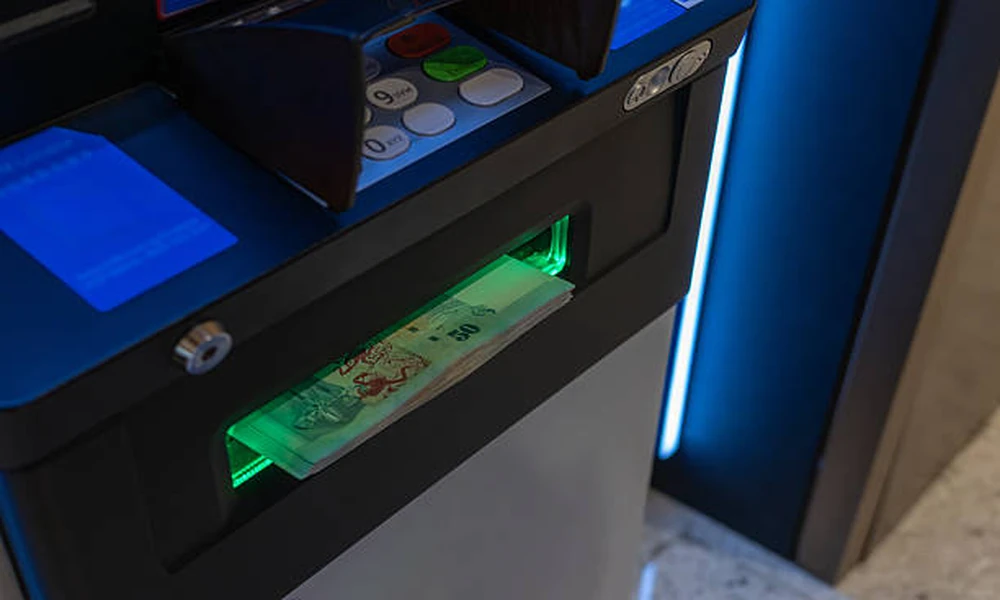
Nothing frustrates a customer faster than an ATM that declines a good card or shows an out of service screen. Most of them won’t complain. They’ll just walk out, and some won’t come back. For the owner, steady ATM processing performance keeps the surcharge money coming in. It mostly comes down to a few everyday things.
Start with the connection. The machine has to send and get data without a hitch. A weak signal or a loose cable behind the counter can cause timeouts. That’s why a lot of owners put the ATM on its own line or a dedicated wireless modem instead of sharing the store’s Wi-Fi.
Routing matters too. Processors send transactions through the card networks, and better routing can mean more approvals. It’s fair to ask your provider which networks they support and how they decide where a transaction goes.
The machine itself plays a part. Worn card readers, jammed dispensers and tired receipt printers all throw errors. Regular maintenance and swapping parts before they fail prevent a small issue from turning into a three day outage. Old software causes trouble as well, since it may not recognize newer card types until it’s updated.
What’s the most common cause of lost transactions? Running out of cash. An empty ATM can’t finish a single withdrawal. That’s why tools that predict when you’ll run low are so handy, mainly before a busy Friday.
Real time monitoring ties it all together. Alerts catch problems quickly, and error summaries show patterns like the same card reader fault every Tuesday. When something does break, you want support that answers on a Sunday, not only on Monday morning.
Strong processing performance depends on a good connection, smart routing, a well-kept machine and fast support. Providers like Atlantic Processing offer real-time monitoring, 7-day support and routing through a large North American processor.
*This article is general information, not financial or legal advice.*
