
Standard merchant accounts are not available to every type of business. Companies facing higher chargebacks, fraud risks, strict regulations, or financial uncertainty may require a high-risk merchant account to process payments securely.
Before applying for payment processing, businesses should assess their transaction history, industry requirements, and potential exposure to chargebacks or fraud. high-risk merchant accounts are often structured with additional underwriting and safeguards to address these factors, so companies should be prepared to provide accurate financial and operational information during the application process. Comparing fees, reserve requirements, settlement periods, and contract terms can also help businesses choose an arrangement that fits their cash-flow needs.
What Is a High-Risk Merchant Account?
Payment providers may offer specialized accounts to companies whose operations involve greater financial, regulatory, or transaction-related risks. Importantly, being classified as high-risk does not necessarily mean a business is illegitimate. The classification can depend on factors such as the industry, transaction patterns, business history, and regulatory environment.
Industries that may receive greater scrutiny include:
- Travel and ticketing businesses
- Subscription and membership services
- Online gaming and gambling
- Nutraceutical and supplement businesses
- Cryptocurrency-related businesses
- Certain e-commerce companies
- Financial and credit-related services
The exact classification can vary between payment providers because each provider has its own underwriting standards.
Why Are These Accounts Different?
High-risk businesses generally face more detailed underwriting than standard merchants. Payment processors want to understand the company’s business model, expected transaction volume, refund policy, customer base, and previous processing history.
Businesses should be prepared to provide documents such as:
- Business registration and ownership information
- Bank statements and processing statements
- Identification documents
- Financial records
- Details about products or services
- Refund, cancellation, and fulfilment policies
Providing accurate and consistent information can make the underwriting process smoother.
Costs and Rolling Reserves
Cost is another major factor that sets these accounts apart. High-risk merchant accounts can involve higher processing fees, account fees, and chargeback-related expenses. Certain payment processors may hold back a portion of funds as a financial safeguard.
A rolling reserve means that the processor temporarily holds a percentage of processed funds as protection against potential chargebacks, refunds, or fraud. Although the reserve can eventually be released according to the agreed terms, it can affect a company’s available cash flow.
Businesses should therefore understand the following before signing a contract:
- Processing and monthly fees
- Reserve percentage and release schedule
- Settlement timeframes
- Chargeback fees
- Contract length and cancellation terms
- Conditions that could lead to account reviews or termination
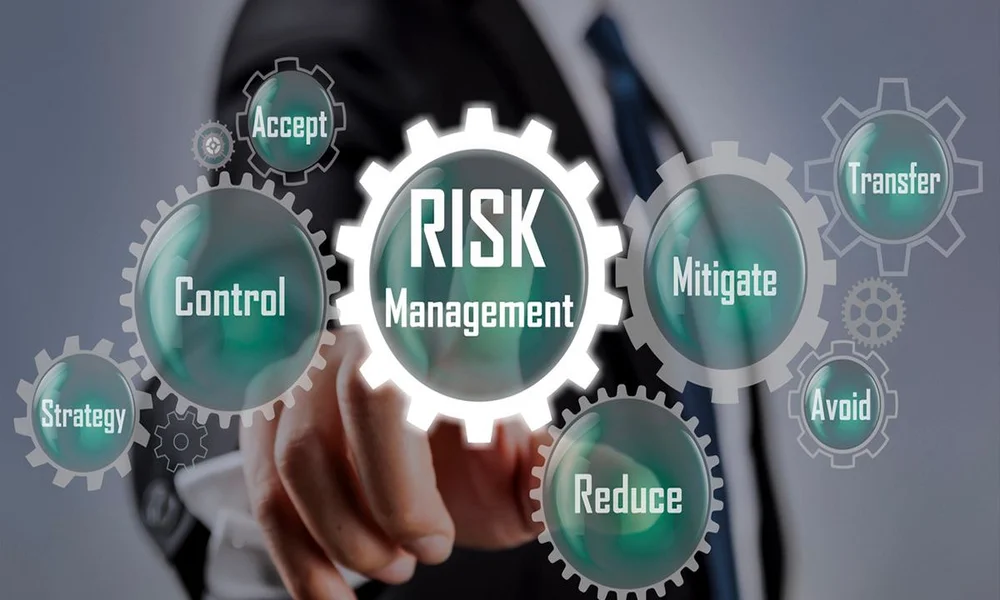
How Businesses Can Manage the Risk
Having a high-risk account does not mean a business has to accept poor payment performance. Strong operational controls can help reduce avoidable payment problems.
Businesses should focus on:
- Clear billing: Make pricing, subscriptions, renewals, and cancellation terms easy to understand.
- Reliable fulfilment: Deliver products or services within the promised timeframe.
- Fraud prevention: Use appropriate verification and transaction-monitoring tools.
- Chargeback management: Respond to disputes promptly and maintain relevant transaction records.
- Transparent communication: Keep customers informed about orders, refunds, and billing.
Choosing the Right Provider
A high-risk merchant account can provide valuable payment access, but businesses should compare providers carefully. Instead of focusing only on the advertised processing rate, review the full contract, including reserves, settlement schedules, fees, and account restrictions.
Understanding these terms before accepting payments can help businesses protect their cash flow, reduce payment-related disruptions, and build a more sustainable payment-processing setup.
